A massive dust storm, or haboob, swept across the Sahara Desert from western Algeria into Mauritania, Morocco, Western Sahara and the Canary Islands on March 30. The dust stretched for more than 1,000 miles.
As meteorologists observed the dust storm from space via weather satellites, social media users captured the incoming dust storm on camera. One video shows a thick wall of dust and sand moving toward a resident of the town of Tindouf, near the Mauritanian, Western Saharan and Moroccan borders.
How does the dust affect tropical storms in the Atlantic?
While this storm didn't make it too far off the coast, significant amounts of dust can drift westward from Africa across the Atlantic beginning in May. This can inhibit tropical storm formation, or the strengthening of an existing system, because the dusty air has about 50% less moisture than the typical tropical atmosphere.
Strong winds in the dust layer can also substantially increase the vertical wind shear in and around the storm environment, potentially disrupting any storm that forms.
LATEST POSTS
- 1
 Human evolution’s biggest mystery has started to unravel. How 2025 tipped the scales
 - 2‘Wicked: For Good’ streaming release — How to watch the sequel starring Ariana Grande and Cynthia Erivo
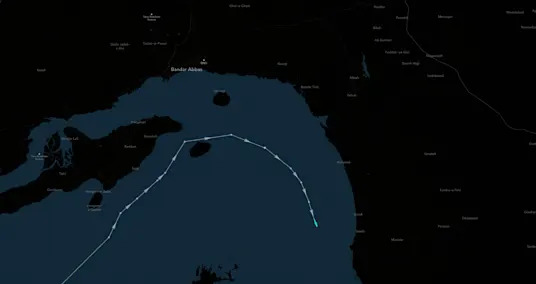
- 3Oil Tanker Carrying Iraqi Cargo Seen Transiting Strait of Hormuz
- 4April’s full pink moon will rise in the night sky this week
- 5Defense Minister Katz finally condemns Jewish extremist violence against Palestinians




- Hubble sees spiral galaxy in Lion's heart | Space photo of the day for Nov. 4
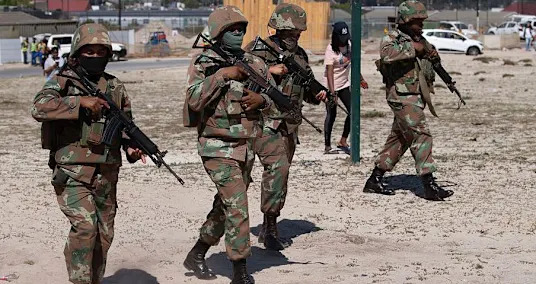
- South African army arrive in crime hotspots to help tackle gangs
- Creative Tech Contraptions That Will Work on Your Life
- Most loved Web-based feature: Which Stage Do You Like
- German economic institutes cut forecast in half over Iran war
- European Travel Objections for 2024
- Manhunt for Brown University shooter continues: FBI releases photos of suspect, announces $50K reward
- What's changing about healthcare in 2026 — Medicare, Medicaid, ACA, premiums, and enrollment deadlines
- Aspirin can prevent a serious pregnancy complication — but too few women get it, new report suggests